
How to Get Into Oxford PPE (Politics, Philosophy, and Economics)
The infamous Oxford PPE degree has long been a launcher of prime ministers, legendary economists and political journalists alike.

What’s covered
What is PPE?
Entry requirements and the typical academic profile of an Oxford PPE applicant
Application timeline for PPE
How to ace the personal statement
How to ace the TARA (admissions assessment)
How to ace the interview
What Oxford tutors are hunting for
What to read to impress Oxford admissions – the PPE reading list
Key takeaways
What is PPE?
PPE stands for Politics, Philosophy, and Economics, and is one of Oxford’s most competitive courses.
It’s popular for a reason – Oxford PPE graduates typically have significantly increased salaries on average when compared to other subjects at Oxford (indeed, across the country).
Entry requirements

The competition for a place in Oxford's Philosophy, Politics, and Economics (PPE) program is fierce, with 1,888 applicants vying for just 266 spots – a highly competitive applicant-to-place ratio of 8:1.
The majority of successful candidates have outstanding academic records, with an average of 8-9 GCSEs at grade 7 or higher, including strong performances in Maths and English. Most applicants have predicted or achieved A-level grades of A* or better.
Here are the official requirements, but bear in mind that these would really only buy you entry through the door. Offers are often denied to students who exceed the numbers; this is because tutors base their decision on the personal statement, test, and interview performance, as well as grades.
| Qualification | Requirement |
|---|---|
| A-levels | AAA |
| Advanced Highers | AA / AAB |
| International Baccalaureate (IB) | 39 points (including core points) with 766 at Higher Level |
| Other equivalent qualifications | View information on other UK qualifications and international qualifications |
It’s recommended for candidates to have studied Mathematics to A-level, Advanced Higher, Higher Level in the IB or another equivalent.
But, you may apply for PPE having done any combination of subjects at school; it’s not necessary to have studied Politics, Philosophy or Economics. History can provide a useful background, but is not essential.
Clearly, your grades need to dazzle. But this doesn’t mean that just because you’re an average student, there’s no hope for you at all. The mind is a muscle, and it can be trained – so, if Oxford is your dream, this is the time to give your subjects your all.
Your Oxford PPE application timeline
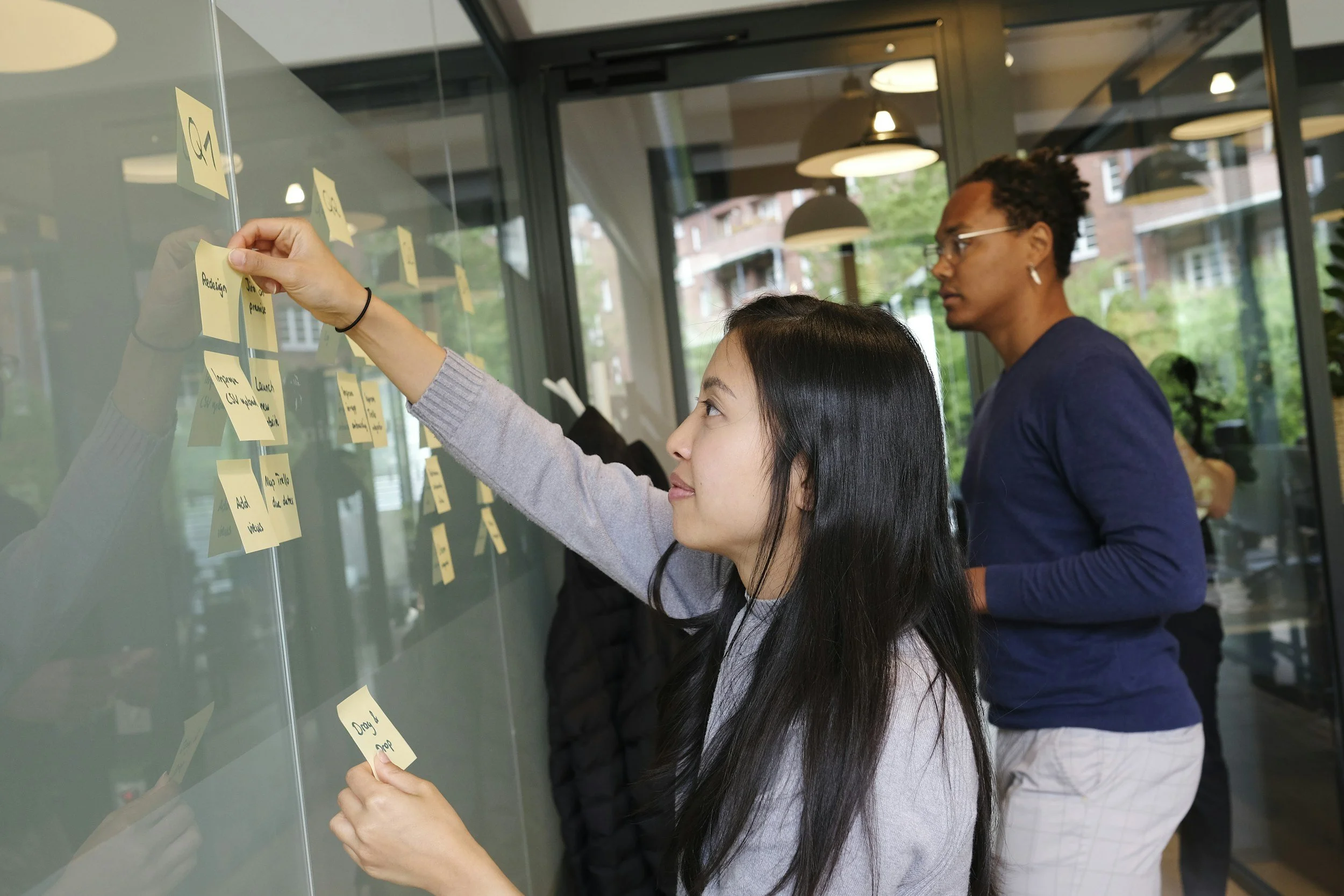
The Oxford process happens much earlier than other UK universities and has many more steps involved, and you absolutely cannot miss any key deadlines. It’s not like handing in your homework late; miss a test registration deadline, and there’s nothing we can do!
Here’s a simplified breakdown of the stages, their deadlines, and our estimation for the amount of work you’ll need to do for each step.
This all begins one year before your entry year – so, if you’re applying for a 2027 entry, you’ll need to begin your application by early summer 2026.
| Oxford Admissions Step | Deadlines | Work Needed |
|---|---|---|
| Registering for admissions test (TARA) | 31 July | Submit on time |
| Personal statement (UCAS application) | 15 October | 2–3 months, begin late July |
| Admissions test – TARA | October | 2–3 months, ideally begin late September |
| Interview (if invited) | Varies, usually mid–late December | 1–2 months, begin after admissions test or as soon as you receive an invitation |
| Offer decisions | Early January | — |
| Confirmation of place | On results day, usually summer | — |
| Beginning your PPE course | October | Celebrate! 🎉 |
P.S, don’t hesitate to contact us for a more detailed breakdown of the preparation you should undertake!
Applying to elite UK or US universities? Learn from Oxford, Harvard, and LSE graduates who know exactly what top admissions tutors are looking for.
How to ace the personal statement

To ace your PPE personal statement, focus on showing why you're genuinely passionate about the subjects. Instead of just listing books or topics, explain what truly sparked your interest in philosophy, politics, and economics. Give examples of how these areas connect in your life, and how you’ve engaged with them. It’s important to highlight what excites you about the interdisciplinary nature of PPE and how it fits with your future goals.
We know you’ll hate to hear it, but avoid relying heavily on AI-generated content – they can DEFINITELY tell, and it can come across as lazy.
How to ace the TARA
If you’ve been frantically Googling the TSA – stop. For courses like Economics & Management, the Thinking Skills Assessment has now been replaced by TARA (Test of Academic Reasoning for Admissions).
The new test serves a similar purpose but with a slightly different structure. Where the TSA focused heavily on multiple-choice reasoning (plus an essay for some courses), TARA is designed as a broader assessment of academic thinking: critical analysis, problem-solving, and written argument.
What’s the difference between TSA and TARA?
TARA is explicitly designed to distinguish between already top-performing applicants, including those with flawless grades. It doesn’t test how much you know; it tests how you think when faced with unfamiliar material.
Unlike typical school exams, you should not expect to score anywhere near your usual percentages.
Test overview
TARA is a computer-based test made up of three separately timed modules, each lasting 40 minutes:
Critical Thinking
Multiple-choice questions assessing your ability to evaluate arguments, identify assumptions, detect flaws, and draw conclusions.
Problem Solving
Quantitative and logical reasoning questions using basic mathematics and unfamiliar scenarios - calculators not allowed.
Writing Task
You choose one prompt and write a structured response explaining the statement, arguing against it, and evaluating your own position.
How to prepare
Preparation for TARA looks very different from revising for A-levels.
Use unfamiliar material
The test is designed around novel problems. Practice with logic puzzles, data interpretation, and argument analysis.
Practise logical reasoning
This is a large portion of the test, and a skill that could be unfamiliar to you..
Accept that it will feel hard
Many applicants panic because they’re not scoring as highly as usual. That’s normal. Everyone else is in the same boat.
Example TARA question
Here’s a simplified example of the kind of critical thinking question you might encounter:
Helen promised she would attend the meeting or send a substitute. We know she cannot attend the meeting. So we are expecting a substitute.
You would then be asked to identify the conclusion, assumption, or logical structure of the argument.
Questions like this test whether you can:
Separate reasons from conclusions
Spot hidden assumptions
Follow logical consequences
These skills sit at the heart of Oxford tutorials, especially in PPE, where arguments and evidence constantly interact.
How to ace the interview
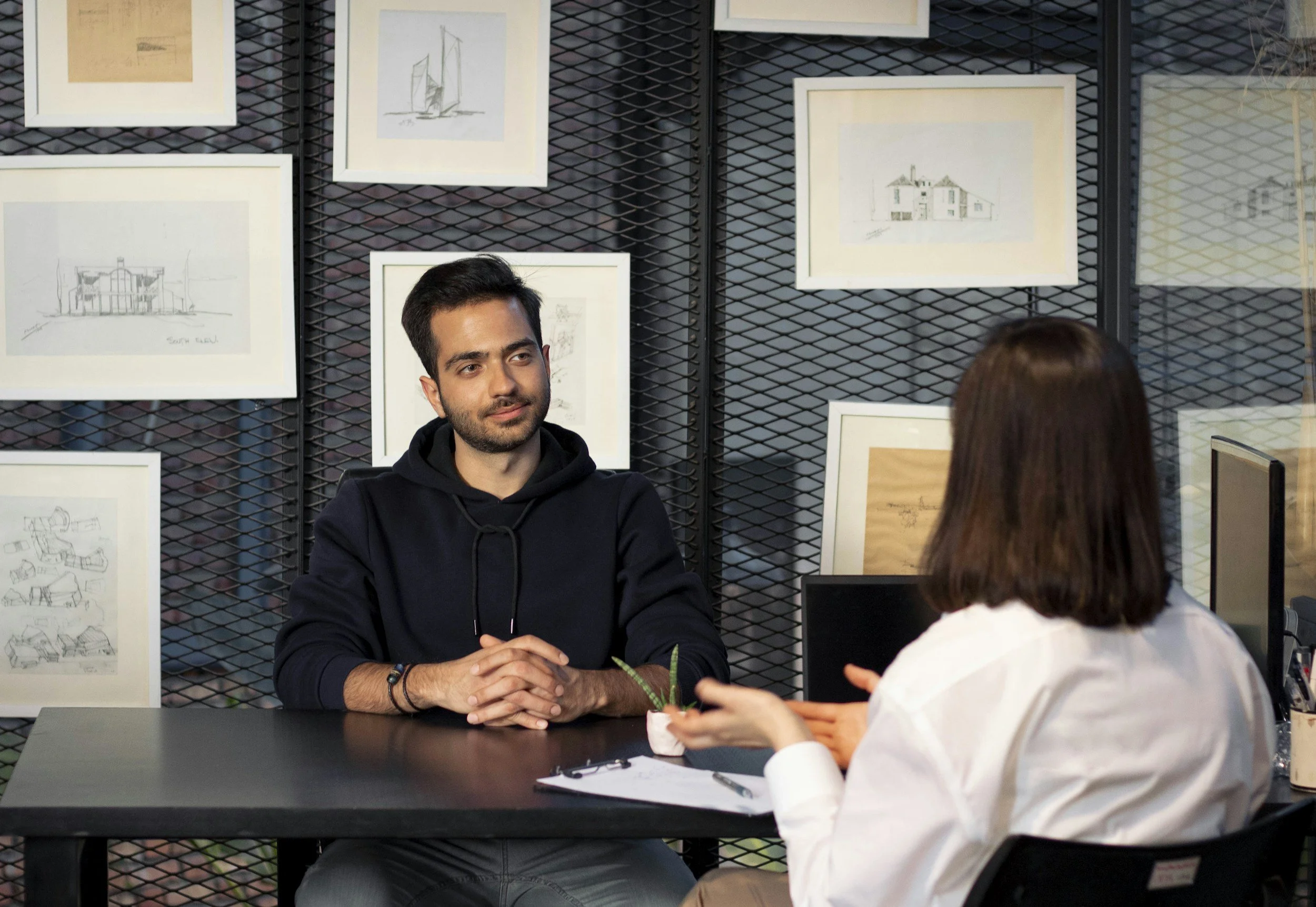
To ace the Oxford PPE interview, it’s crucial to demonstrate both intellectual curiosity and critical thinking. The interview isn’t about regurgitating facts, but rather showing how you engage with complex ideas. Be prepared to think on your feet; interviewers are looking for candidates who can analyze a problem, break it down logically, and explore different perspectives.
Practice articulating your thought process clearly and concisely, as communication is key. Also, it’s okay to pause and think before responding!
In addition to intellectual rigor, Oxford values candidates who can engage in constructive debate. Be open to new ideas and demonstrate intellectual flexibility by considering alternative viewpoints. Don’t shy away from challenging questions, but rather use them as an opportunity to show your critical thinking and problem-solving skills.
Finally, stay calm and collected: interviews can be intense, but showing confidence and resilience will leave a lasting impression on your interviewers.
What is Oxford looking for?

More than anything, Oxford’s admissions tutors are looking for genuine intellectualism – a genuine desire to learn about your subject, as well as the academic capability to do so at such a rigorous institution.
Oxford tutors also look for teachability, especially during the interview stage. We’ll write more on this in the future, but the interview is effectively a mini Oxford tutorial, and they want to see that you can be flexible with your thinking, adaptable to new information, and think on your feet.
On a human level, the tutors also want to be able to get along with you – no one wants to teach someone they don’t like for three years!
Some other soft skills that Oxford looks for are organisation and time management. The application process is designed to assess whether the candidate could handle the pressures of Oxford (that’s why good grades are so key). Oxford is very fast paced – much shorter terms with a much higher workload than nearly any other UK university creates an intense schedule.
Turn your personal statement into a strategic advantage - with expert feedback that highlights academic depth, clarity of thought, and genuine intellectual curiosity.
The Oxford PPE reading list

Philosophy
“The value of philosophy is, in fact, to be sought largely in its very uncertainty.” – Bertrand Russell, The Problems of Philosophy
Start with Simon Blackburn’s Think: A Compelling Introduction to Philosophy, which covers key topics like metaphysics, ethics, and epistemology. It’s a great foundation before diving deeper into subjects that spark your interest. For ethics, John Stuart Mill’s Utilitarianism will introduce you to one of the most influential ethical doctrines: “Actions are right in proportion as they tend to promote happiness.” Michael Sandel’s Justice: What’s the Right Thing to Do? brings moral philosophy into the real world and is perfect for interview discussions.
Politics
“The heaviest penalty for declining to rule is to be ruled by someone inferior to yourself.” – Plato, The Republic
Plato’s The Republic remains a fundamental text, setting the stage for ideas on justice and governance. John Stuart Mill’s On Liberty is key to understanding individual rights and liberal thought, while Simone de Beauvoir’s The Second Sex challenges traditional ideas on gender and social freedom, making it a must-read for anyone interested in feminist philosophy: “One is not born, but rather becomes, a woman.”
Economics
“It is not from the benevolence of the butcher, the brewer, or the baker that we expect our dinner, but from their regard to their own interest.” – Adam Smith, The Wealth of Nations
Adam Smith’s The Wealth of Nations is essential reading for understanding market economies and self-interest. For a more accessible introduction to economics in the real world, Tim Harford’s The Undercover Economist uses everyday examples to explain key concepts.
How to Think Like a PPE-ist

Reading is just the beginning. To really think like a PPE-ist, engage with a variety of resources that stretch your intellectual curiosity.
Podcasts
Talking Politics, The Ezra Klein Show, Philosophy Bites – explore these for diverse perspectives across politics, philosophy, and economics.
Publications
Stay up to date with The Economist, Financial Times, and London Review of Books to connect academic theories with current events.
Lectures & Debates
Watch Oxford Union debates on YouTube to get a sense of the dynamic intellectual environment at Oxford.
Read Across Political Lines
Don’t just read the manifestos you agree with. Read those you disagree with, too. Engaging with opposing viewpoints will sharpen your ability to critically evaluate arguments and form your own.
Debate and Discuss
Most importantly, talk. Discuss, disagree, and defend your views. Argue with everything you read! It’s the best way to develop the skills needed for tutorials, essays, and interviews.
General top tips

It might feel like Oxford acceptance is a lottery, but it’s not totally true. There are definitely ways you can drastically improve your chances of getting into Oxford.
Aim for top grades
It goes without saying that you need near perfect scores on your exams at school to be considered for a place at Oxford. Make a comprehensive study schedule, focus on your weaknesses (as uncomfortable as that is), and try your very best in exams.
Apply strategically
Oxford is a collegiate university, meaning that it’s made up of about 30 undergraduate colleges dotted around the city. Some think that by applying to perceivably ‘less-competitive’ colleges will increase your chances. That’s definitely not true, because you’d just get pooled to other colleges if you applied to an oversubscribed college but you’re a strong applicant (don’t worry, we’ll write more on this complicated topic soon)!
However, it’s not a bad idea to check out which colleges you think would fit your vibe more. Remember that you’re hopefully interviewing with that college’s tutors, so do some research on their academic interests. See which colleges align most closely with your academic expertise, and try to apply to those. In the event that you do get an interview, you could really win them over.
Plus, certain types of colleges attract (and admit) certain types of students – Merton, for example, prizes grades over all else, while Wadham has a more holistic, liberal approach. Each college has a very different vibe, so try to align yourself with ones that fit you best.
Do some ‘super curriculars’
Oxford places huge weight on the personal statement. Our Oxbridge admissions tutoring package, accordingly, allocates a considerable amount of time to writing your personal statement.
The best statement is one that shows your interest in your subject. Unlike US universities, UK universities do not particularly care for your sporting interests or your volunteering – but they do consider ‘super curriculars’ really valuable.
What are super-curriculars? Unlike extracurriculars, like sports or hobbies, super-curriculars are directly related to your academic interests.
For example:
Completing online courses or MOOCs (Massive Open Online Courses) relevant to your subject. You can find courses from platforms like Coursera, edX, or Future Learn. This is particularly popular with students as it is accessible and free.
Reading books, academic papers, or articles related to your subject.
Attending lectures, talks, or conferences, either in-person or online.
Participating in subject-related competitions like Olympiads, essay contests, or mathematical challenges.
Visiting relevant museums, galleries, or historical sites.
Taking part in research projects, either independently or through a school or university program.
Prepare thoroughly for the admissions process
Don’t underestimate the effort it takes to write your statement, prepare for your admissions test, and practise interviewing. Start early, and polish your skills!
Relax!
Don’t forget to prioritize your mental well being across this difficult process.
It can be overwhelming to go through all the tricky stages of the application while still studying hard at school. Make sure you have a healthy work-life balance, so you can sit the admissions test and hopefully the interview at your best.
Plus, no one wants to admit someone who’s already stressed out of their mind!
Key takeaways

Mark 15 October in red – it is earlier than ANY deadline across the UK (barring Cambridge and Medicine applications), USA, and most of Europe.
Master the admissions test for your course.
Start your personal statement early, and get someone you trust to guide you (we can help here!)